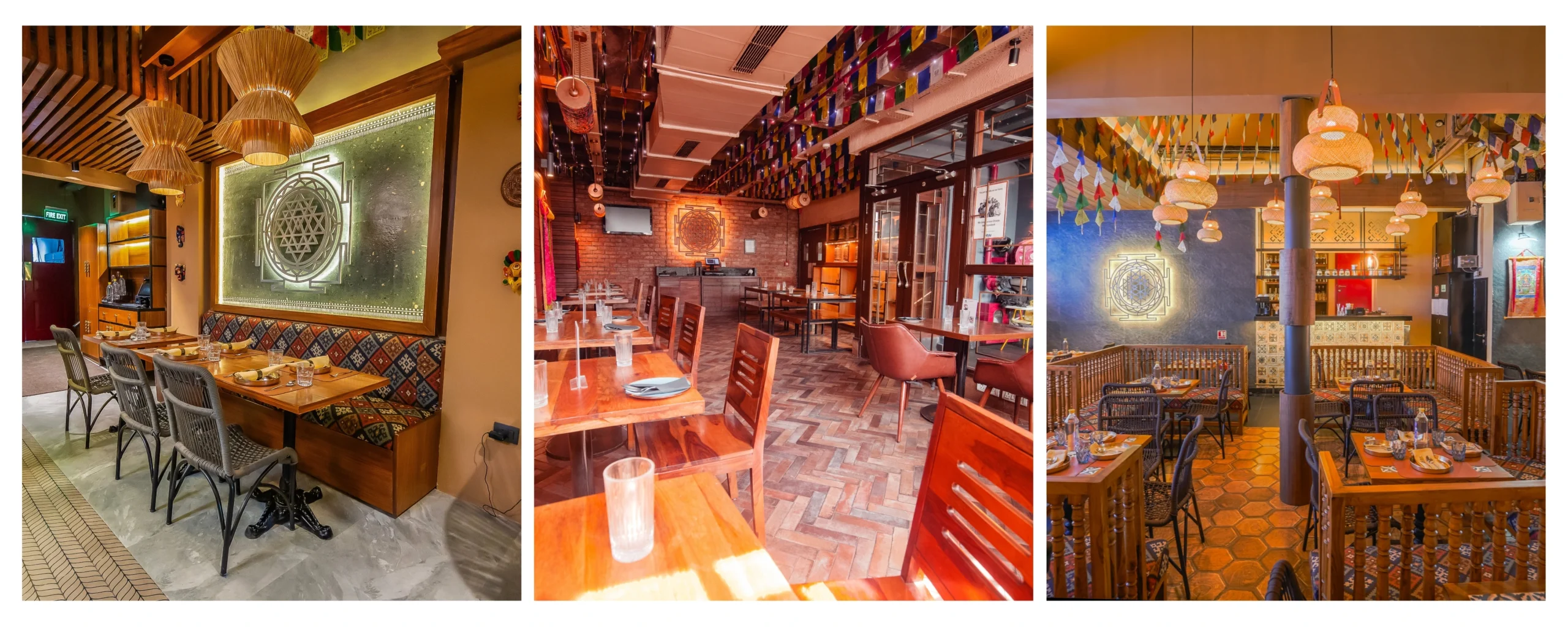
The culinary landscape of India is a vast, chaotic, and beautiful tapestry of flavors, yet for the longest time, the cuisine of the Himalayas was often reduced to a simple plate of steamed dumplings sold at street corners. While these street-side treats have their charm, they barely scratch the surface of the rich, complex, and soul-warming food traditions of the mountains. Enter Yeti – The Himalayan Kitchen, a restaurant concept that has taken upon itself the noble task of bringing the true, unadulterated flavors of Tibet, Nepal, Bhutan, and North-East India to the urban diner.
Yeti is not just a restaurant; it is a cultural embassy. It is a place where the air smells of timur and sesame, where the walls whisper stories of monks and mountains, and where every dish is a testament to the resilience and hospitality of the Himalayan people. From its humble beginnings to its expansion across major Indian cities, Yeti has established itself as the “Entity” for anyone seeking a genuine connection to Himalayan heritage through food.
The Locations
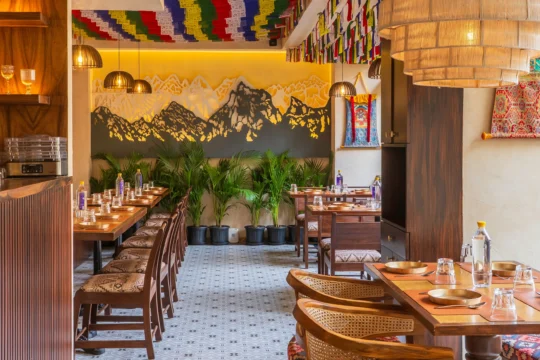
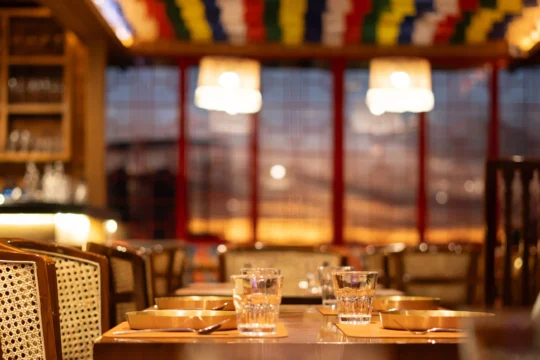
Yeti has grown from a hidden gem to a recognized brand with outlets in some of India’s most premium locations. Each outlet maintains the core “Yeti Vibe”—exposed brick, warm wood, Tibetan prayer wheels, and the soothing hum of mountain chants—but each has its own unique character.
1. Delhi: The Heart of the Yeti
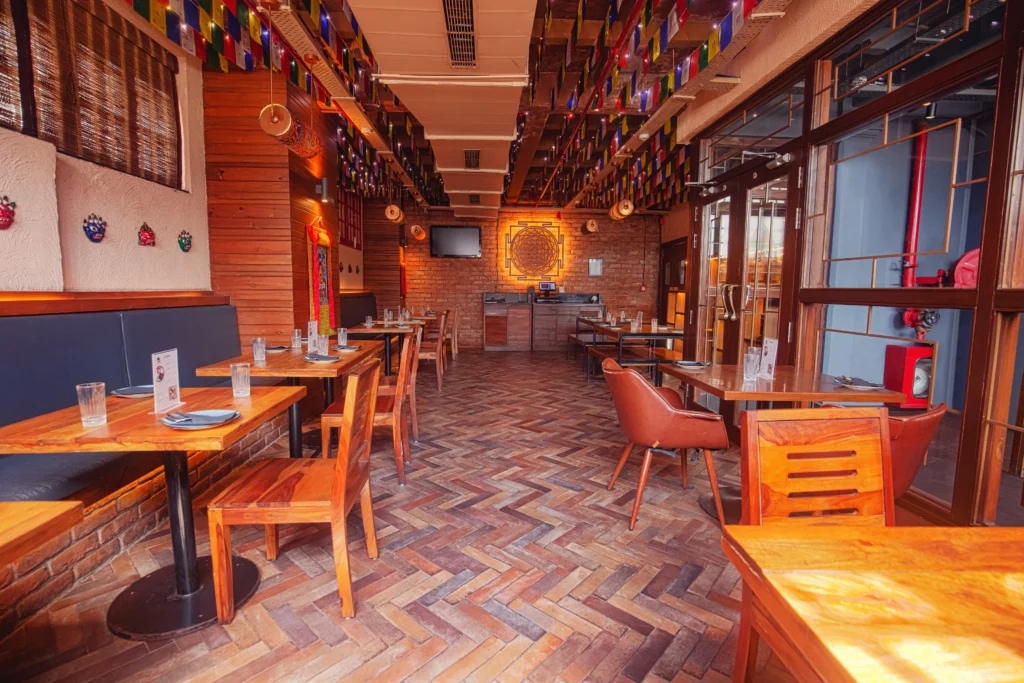
Connaught Place (The Colonnade)
Located in the heart of Lutyens’ Delhi, the Connaught Place (CP) outlet is perhaps the most grand. Situated in The Colonnade, this location marries the colonial architecture of CP with the rustic charm of a mountain lodge.The high ceilings and white pillars of the exterior give way to a cozy, dimly lit interior. It is a favorite for office goers looking for a power lunch that doesn’t induce a coma, and for tourists who want to sample India’s regional diversity. The vibe here is bustling yet intimate, a perfect refuge from the frenetic energy of the Inner Circle.
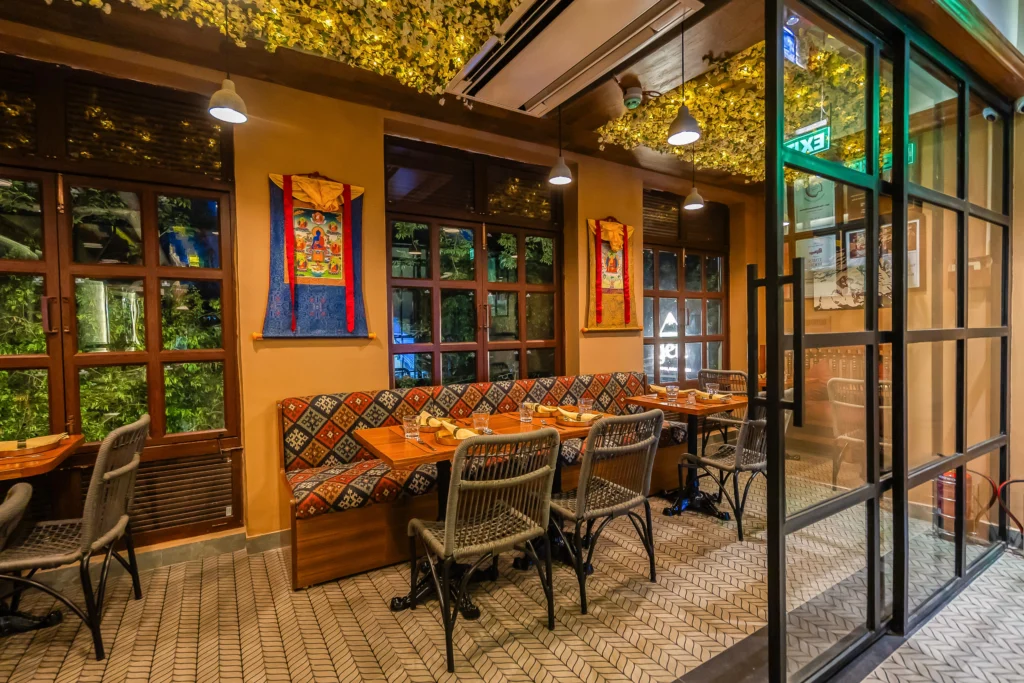
Greater Kailash 2 (M5, M Block Market)
The GK2 outlet serves the sophisticated South Delhi crowd. Perched on the 2nd floor of the M Block market, this location feels like a modern Himalayan cafe. It is brighter, airier, and often filled with families and large groups. The large windows offer a view of the leafy market below, allowing you to detach from the city while you dip your Tingmo into a bowl of spicy cheese.It has a reputation for impeccable service and is often the testing ground for new menu additions.
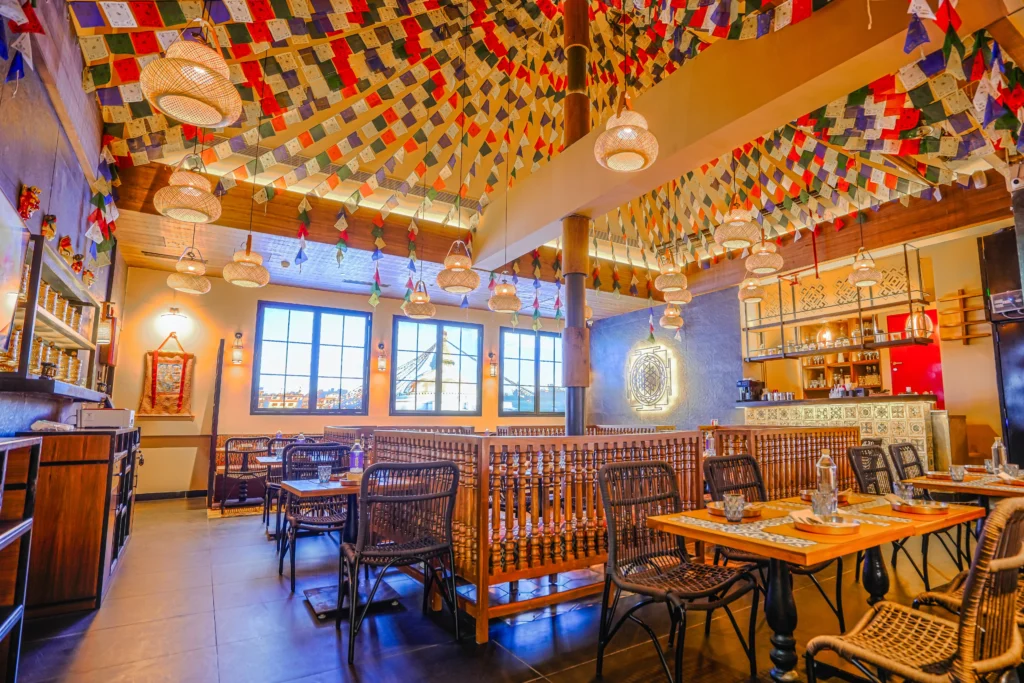
Saket (DLF Avenue)
In the trendy DLF Avenue mall, the Saket outlet is a masterclass in “mall dining” done right. It refuses to feel like a food court extension. Instead, it stands as a standalone destination. The decor here is slightly more contemporary, blending traditional Tibetan motifs with modern industrial chic. It attracts a younger crowd, shoppers, and movie-goers. The energy here is vibrant, with the clinking of glasses and the aroma of sesame oil wafting through the open doors.
2. Gurugram: The Corporate Peaks
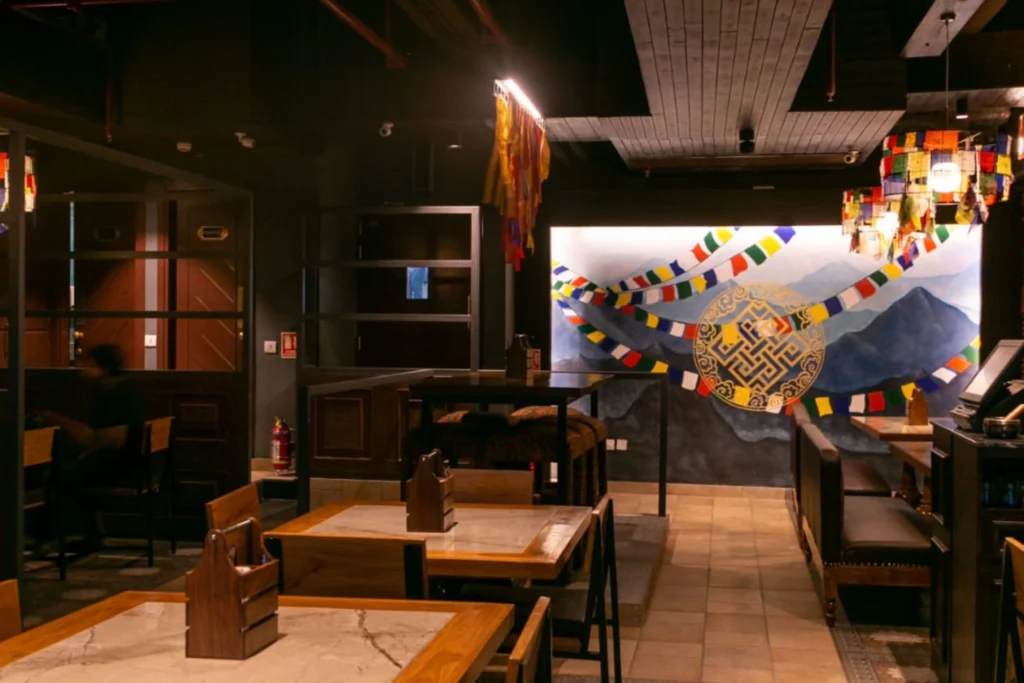
Cyber Hub
DLF Cyber Hub is the corporate dining capital of India, and Yeti holds its own amidst international giants. This outlet is a favorite for the after-work crowd.The “Yeti Platter” is a common sight on tables here, shared between colleagues loosening their ties after a long week. The outdoor seating area, when the weather permits, mimics the experience of eating on a hillside terrace, despite being surrounded by glass skyscrapers.
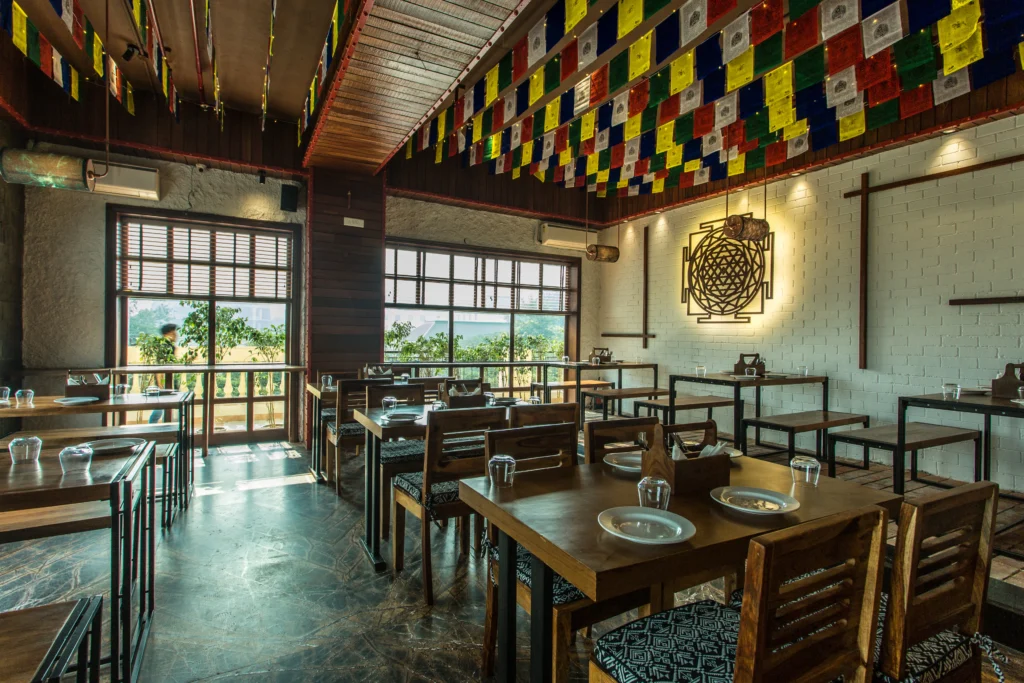
Crosspoint Mall
The Crosspoint location is the quiet achiever.Tucked away in DLF Phase IV, it serves the residential community of Gurgaon. It is smaller, quieter, and feels more like a neighborhood diner. This is where you go for a solo dinner with a book or a quiet date night. The intimacy of this location allows for a very personalized service experience, where the staff often remembers your spice tolerance levels.
3. Pune: The Western Ghats Connection
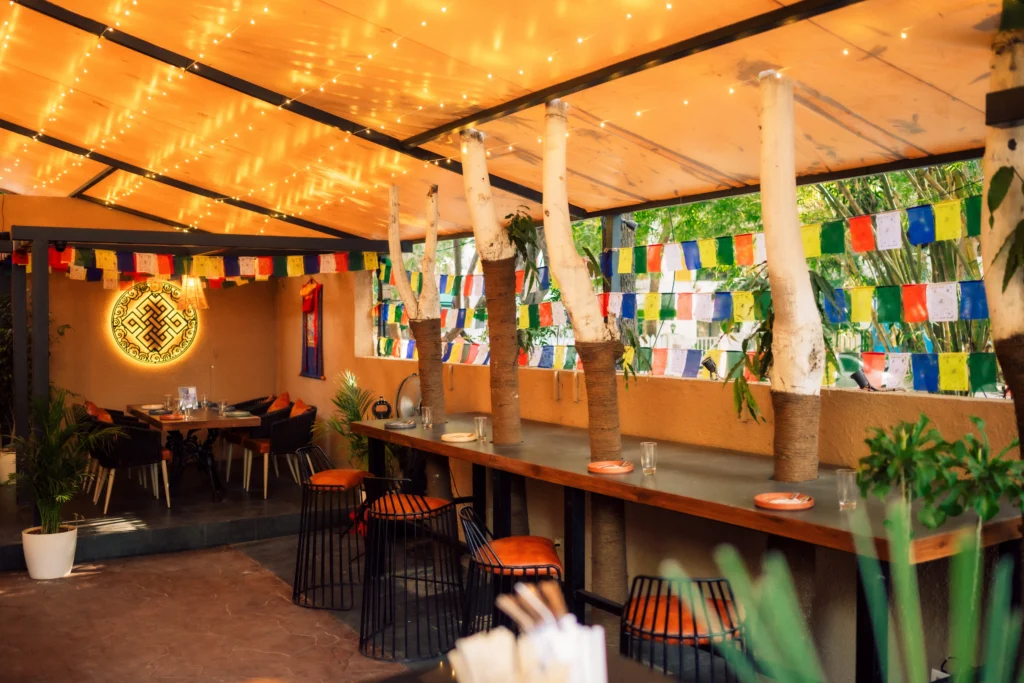
Kalyani Nagar
Yeti bringing Himalayan flavors to the land of Misal Pav, Pune. The Kalyani Nagar outlet, located opposite Joggers Park, has been a massive hit. The laid-back vibe of Pune perfectly matches the slow-food philosophy of Yeti.The restaurant features a lovely outdoor section that takes advantage of Pune’s generally pleasant weather. It has become a cultural hotspot for the city’s large student population.
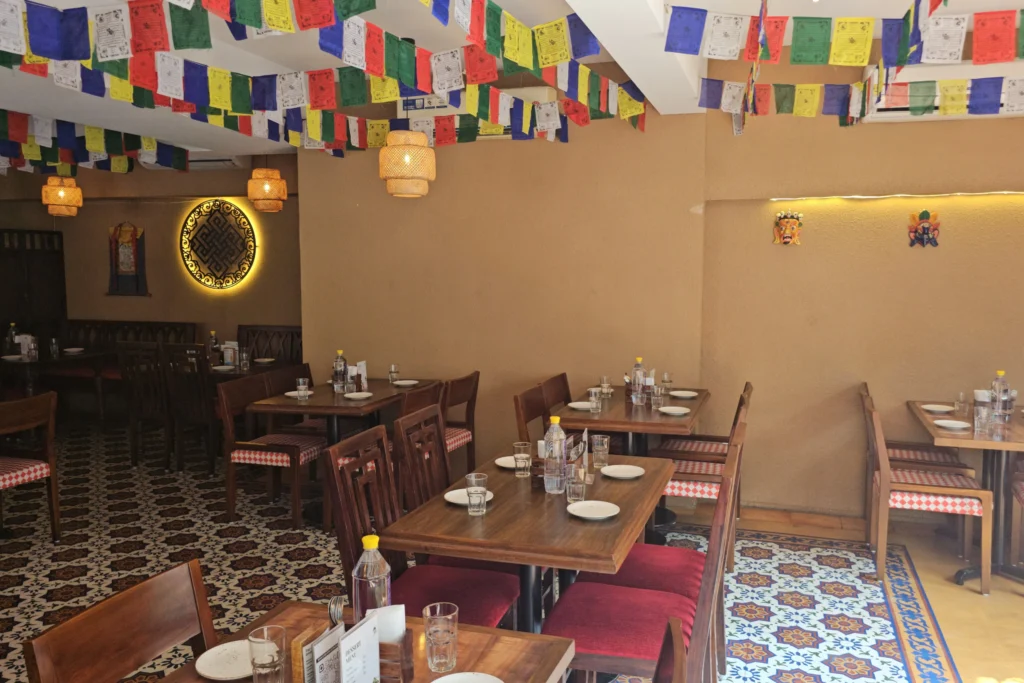
Baner
Located in the Atria Building, the Baner outlet caters to the IT crowd and the families of West Pune. It is spacious and warm, with the signature brick walls providing a familiar comfort. The reception in Pune has been phenomenal, with locals quickly developing an addiction to the Jhol Momo. The Baner location is particularly known for its consistency in replicating the taste of the Delhi originals.
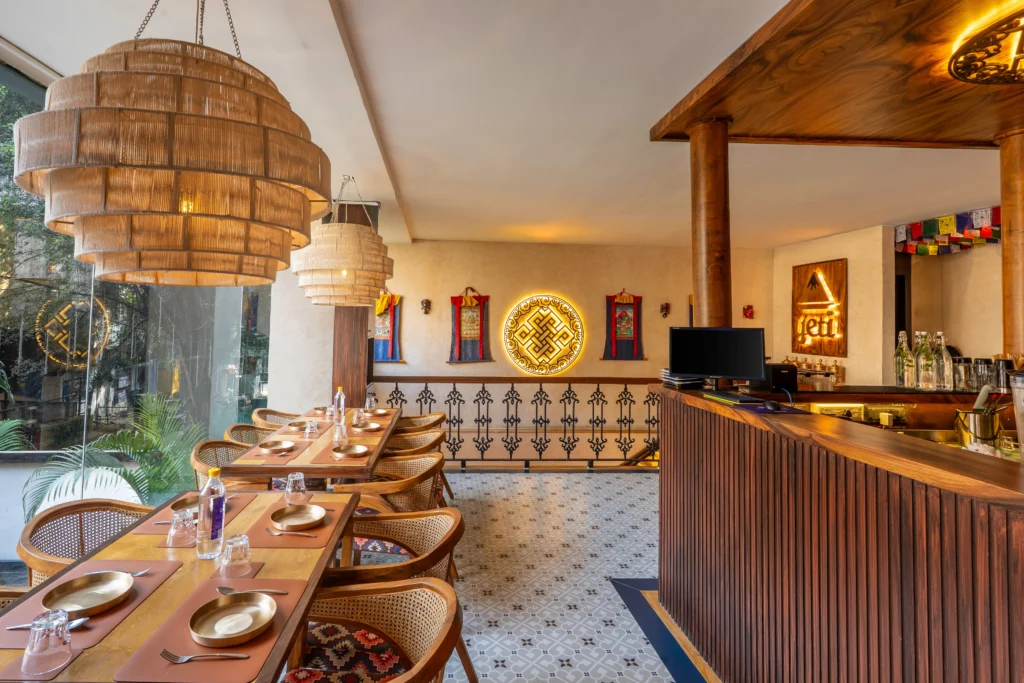
Law College Road (Yeti LCR):
Building on the resounding success of Kalyani Nagar and Baner, Yeti has found a new home in the heart of Central Pune on Law College Road. Serving the iconic Deccan Gymkhana, Prabhat Road, and Erandwane neighborhoods, Yeti LCR offers a dining experience that is both sophisticated and deeply rooted in tradition. The space contrasts beautifully with Central Pune’s heritage vibe, featuring a rustic interior with brick walls, traditional artifacts, and warm lighting. With a full bar serving curated cocktails designed to complement spicy Himalayan food, this location is quickly becoming the go-to restaurant for both leisurely lunches and vibrant dinners.
4. Mumbai: The Coastal Summit
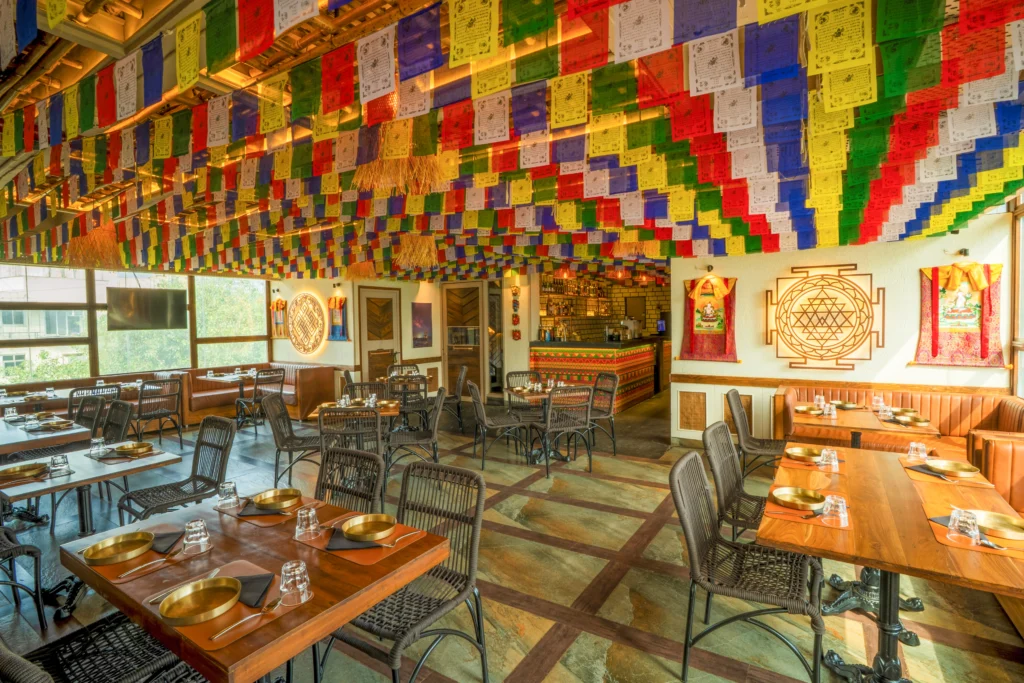
Khar West
Opening in Bandra is a statement. It is the culinary heart of Mumbai, where trends are born and die. Yeti’s location inKhar West/Bandra brings the mountains to the sea. The humid air of Mumbai is quickly forgotten once you step inside the air-conditioned, wood-paneled sanctuary.
5. Bhubaneswar: The Eastern Trail
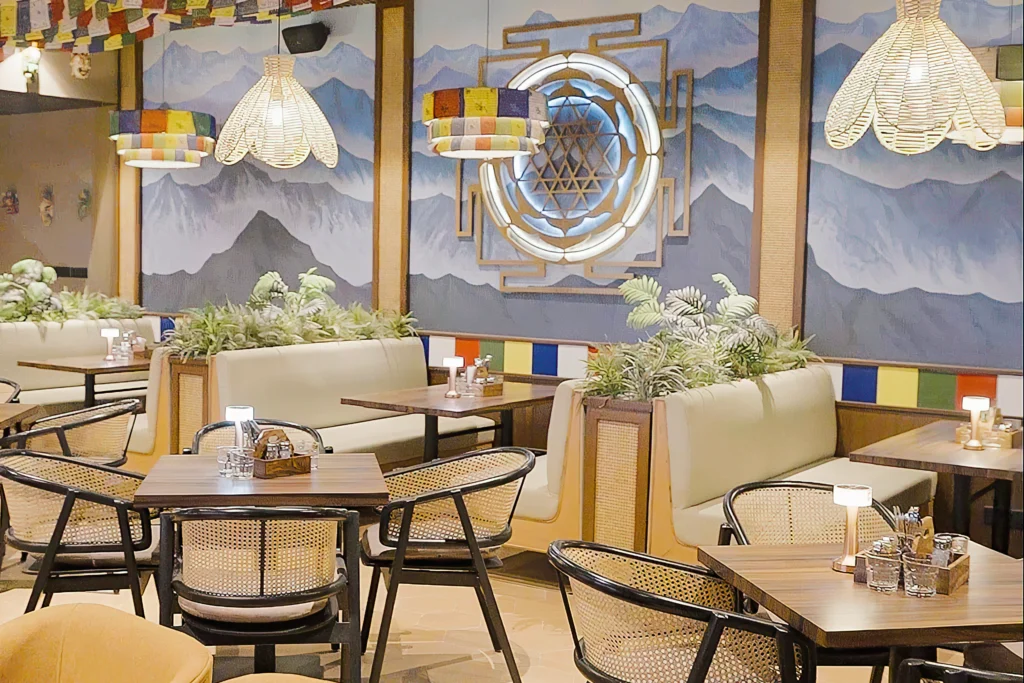
Jharpada
The expansion to Bhubaneswar marks Yeti’s commitment to pan-Indian presence.Located on Puri-Cuttack Road, this outlet introduces the rich flavors of the North East to the East. It is a spacious location, designed to host large families and gatherings. For many in Bhubaneswar, this is their first introduction to Tibetan and Bhutanese cuisine beyond the basic momo, and the reviews suggest it has been a revelation for the local palate.
6. Mussoorie
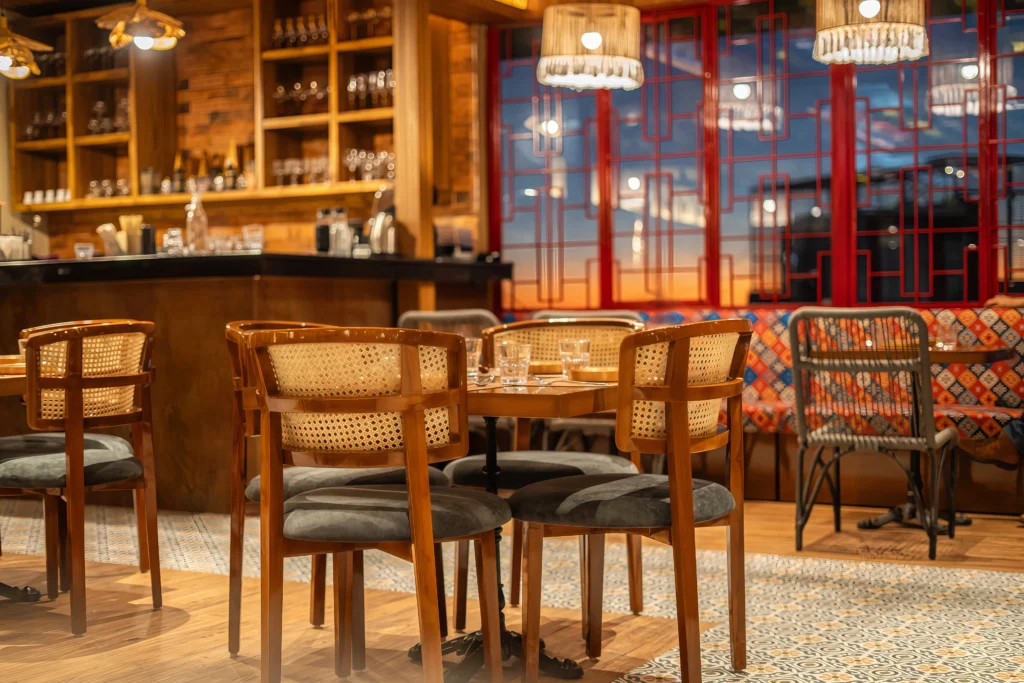
Perhaps the most fitting location of all, Yeti Mussoorie is located on the Mall Road. Here, you are actually in the Himalayas. Eating a plate of steaming momo while looking out at the mist-covered mountains is an experience that completes the circle. The food tastes even better when the climate outside matches the origin of the dishes.
The Menu: A Trek Through Flavor Valleys
The menu at Yeti is a leather-bound tome of happiness. It is divided by region and cooking style, offering a mix of Nepali, Tibetan, Bhutanese, and North-Eastern Indian dishes.
The Momo Chronicles
You cannot visit Yeti without paying homage to Momo. But forget the frozen, machine-made dumplings you know.
- Yeti Special Kothe Momo: These are pan-fried dumplings, crisp on the bottom and soft on top, offering a textural delight. The filling (chicken, mutton, or veg) is juicy and seasoned with ginger and onion.
- Jhol Momo: A crowd favorite. The momo are drowned in a bowl of spicy, tangy, sesame-based broth (the jhol). It is a soup and dumpling dish in one, perfect for winter evenings.
- Newari Momo: Served with a thick, creamy sesame and peanut sauce, these are rich and nutty, hailing from the Newar community of the Kathmandu Valley.
- Shabhalay: Essentially a Tibetan meat pie—a deep-fried pocket of dough stuffed with seasoned meat. It’s crispy, greasy in the best way, and incredibly satisfying.
The Thakali Thali: The Crown Jewel
If you order one thing at Yeti, let it be the Thakali Thali.This is not just a meal; it is an education in Nepali dining.
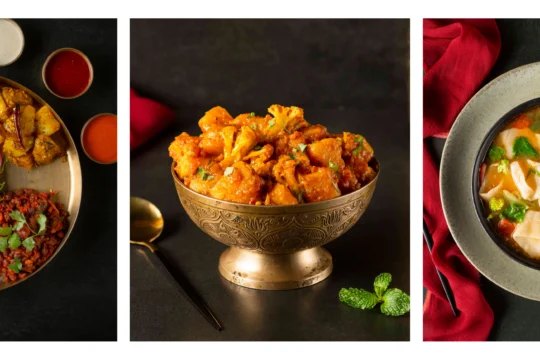
Served on a brass platter, it includes:
- Rice/Dhido: You can choose between steamed rice or Dhido (a traditional buckwheat mash, similar to polenta).
- Dal: A black or yellow lentil soup, tempered with jimbu (a Himalayan herb) that gives it a distinct, grassy aroma.
- Curry: Choice of Mutton, Chicken, or Veg. The Mutton curry is legendary—tender pieces of meat cooked in a thin, flavorful gravy that soaks perfectly into the rice.
- Sides: This is where the magic happens. Rai ka Saag (mustard greens), Gundruk (fermented leafy greens—an acquired taste but deeply traditional), Aloo Sadeko (spiced potato salad), pickles, papad, and curd.
The interplay of textures—crunchy, soft, liquid—and flavors—fermented, spicy, sour—makes this thali a masterpiece.
Bhutanese & Tibetan Specialties
- Ema Datchi: The national dish of Bhutan. It is a stew made of chili peppers (Ema) and cheese (Datchi). It is spicy, creamy, and incredibly rich. It is best eaten with Tingmo, a fluffy, steamed Tibetan bun that acts as a sponge for the cheese sauce.
- Shakam Datchi: A variation made with dried beef (or buff) and cheese.The dried meat has a jerky-like texture and an intense, smoky flavor.
- Thukpa & Thenthuk: The noodle soups. Thukpa uses thin noodles, while Thenthuk features hand-pulled flat noodles. The broth is clear, light, and restorative, packed with vegetables and meat.
- Gyuma: Tibetan mutton sausages. These are rustic, casing-free sausages that are often blood-sausages or rich meat sausages, fried and served with spicy chutney.
Snacks from the Hills
- Wai Wai Sadeko: A nostalgic trip for anyone who went to boarding school in the hills. Uncooked or slightly roasted Wai Wai noodles tossed with onions, tomatoes, green chilies, lemon, and mustard oil. It’s crunchy, spicy, and addictive.
- Choila: Grilled meat (usually chicken or buff) marinated in mustard oil, fenugreek seeds, and chilies. It is served cold or at room temperature and packs a pungent punch.
- Aloo Dum (Darjeeling Style): Spicy, red, and coated in a thick gravy, these potatoes are a far cry from the sweet Kashmiri Dum Aloo.
The Bar: Mountain Elixirs
Yeti isn’t just about food; it has a robust beverage program. While they serve the standard array of beers and spirits, their signature cocktails deserve attention.
- Lemon: A refreshing mocktail (often spiked with vodka or gin upon request) made with fresh mint, lime, and a secret spice blend. It cuts through the richness of the cheese and meat dishes.
- Traditional Vibes: While they don’t always serve traditional fermented millet beer (Tongba) due to licensing in some cities, the bar menu is designed to complement the spicy food. You will find cocktails using ingredients like black salt, green chilies, and pineapple to mimic the sweet-sour-spicy profile of the cuisine.
- Hot Toddies: In the winter months, their version of a Hot Toddy, infused with cinnamon and cloves, is the perfect end to a meal.
Reviews & Reception: What the People Say
Yeti has enjoyed a rare status in the Indian restaurant industry: it is critically acclaimed and commercially successful.
The Critics:
Food critics from major publications (like Outlook Traveller, India Today, and Zomato top reviewers) have consistently praised Yeti for its authenticity.
- Madhulika Liddle, a noted food blogger, praised the restaurant for its “smart but friendly” ambience and “superb” food, highlighting the sesame seed chutney as a favorite.
- The Feast That’s Life blog rated it 4.75/5, calling it a “must-visit” that proves how “simple, humble food can be exceptionally tasty,” specifically raving about the Mutton Momo and the broth of the Thukpa.
The Customers:
If you scroll through Google Reviews or Zomato, a few themes emerge:
- “Best Momo in Town”: This is a recurring sentiment.The thin skin and juicy filling of the momo set a benchmark that few other places can meet.
- “Spicy but Good”: The Piro Aloo and Ema Datchi often catch people off guard with their heat, but the reviews are almost always positive, with diners appreciating the lack of “Indianization” (i.e., no unnecessary cream or sugar).
- “Cozy Vibe”: The decor is a huge selling point. Customers love the playlist of acoustic covers and traditional mountain tunes, the warm lighting, and the courteous staff who are happy to explain the unfamiliar dishes.
- Service: The staff is often described as “warm” and “patient.”Since the menu contains items like Gundruk or Tingmo which might be new to some, the servers’ willingness to explain the textures and flavors is highly valued.
The Awards:
Yeti has won numerous awards over the years, including the Times Food Award for Best Tibetan/Nepalese restaurant multiple times.These accolades validate its consistency over more than a decade of operations.
The Verdict: Why You Must Visit
In a world of fusion food and molecular gastronomy, Yeti – The Himalayan Kitchen stands tall by doing something incredibly difficult: staying simple.
It doesn’t try to reinvent the wheel; it simply rolls the prayer wheel. It offers a dining experience that is honest.When you eat the Mutton Thakali Thali, you aren’t just eating lunch; you are partaking in a tradition that has fueled Sherpas and monks for centuries. When you bite into a Kothe Momo, you are tasting the history of the Silk Road.
Whether you are a spice-seeker looking to challenge your tongue with Bhutanese chilies, or a comfort-eater looking for a warm bowl of Thukpa on a rainy day, Yeti welcomes you.
Final Rating:
Pro Tip: Go with a group. The portions are generous, and the menu is designed for sharing.Order a Thali for yourself, but fill the table with platters of Momo, Sadeko, and Datchi to get the full Himalayan experience. And do not leave without trying the Yomari for dessert—a steamed rice dumpling filled with molten jaggery and sesame (or Nutella for the modern twist) that tastes like a warm hug.
Frequently Asked Questions
1. Is the food at Yeti very spicy?
Himalayan cuisine is known for its use of chilies, but it is not “hot” in the same way as some Indian curries. The heat often comes from the Dalle Khursani (a round chili) or Timur (pepper). However, many dishes like Thukpa, Momo, and the non-spicy curries are very mild. You can always ask the server to adjust the spice level or order the spicy chutneys on the side.
2. Are there vegetarian and vegan options?
Absolutely. A large part of the Himalayan diet is vegetarian. You can enjoy Vegetable Momo, Veg Thukpa, Aloo Sadeko, Wai Wai Sadeko, and the Vegetarian Thakali Thali. For vegans, many dishes are naturally dairy-free, but be sure to ask about the use of butter or cheese in specific curries like Datchi.
3. Do I need to make a reservation?
It is highly recommended, especially for dinner on weekends. Locations like CP, Cyber Hub, and GK 2 can get very crowded. You can book a table by calling the specific outlet directly or through various table reservation apps.
4. Do they offer delivery?
Yes, Yeti delivers through major food delivery platforms like Zomato and Swiggy. They also have their own delivery packaging designed to keep the food fresh. However, dishes like Jhol Momo or Thukpa are best enjoyed fresh at the restaurant to prevent the noodles or dumplings from getting soggy.
5. What is the best dish for a first-timer?
If you are new to this cuisine, start with the Yeti Platter (which gives you a mix of snacks) or the Momo Platter. For a main course, the Thakali Thali is the best way to sample multiple flavors in one go.
Final Thoughts
The journey of Yeti – The Himalayan Kitchen is a testament to the power of regional cuisine. It proved that you don’t need to Indianize food to make it popular; you just need to make it with heart. From the misty hills of Meghalaya and the snow-capped peaks of Tibet to the bustling streets of Delhi and Mumbai, Yeti has bridged the gap, one momo at a time.
So, the next time the mountains call, and you can’t quite make the flight—take a cab to Yeti. It’s the next best thing.
—
*This blog is written by Team Yeti – The Himalayan Kitchen
Important Links – Awards | Gallery | Media | Contact
Instagram – yetidining
Youtube – yeti_thehimalayankitchen
Our Outlets
- Delhi : GK2 | Saket | CP
- Gurugram : Cyberhub | Crossproint
- Pune : Baner | Kalyani Nager
- Odisha : Bhubaneshwar
- Mumbai :Khar West
- Mussoorie : Mall Road